Viral Engineering 2026: The Science of High-Retention Video & AI Kinetic Typography
Why do some videos stop the scroll while others are ignored? We look at the psychological triggers and AI-driven styling techniques that define viral content in 2026.
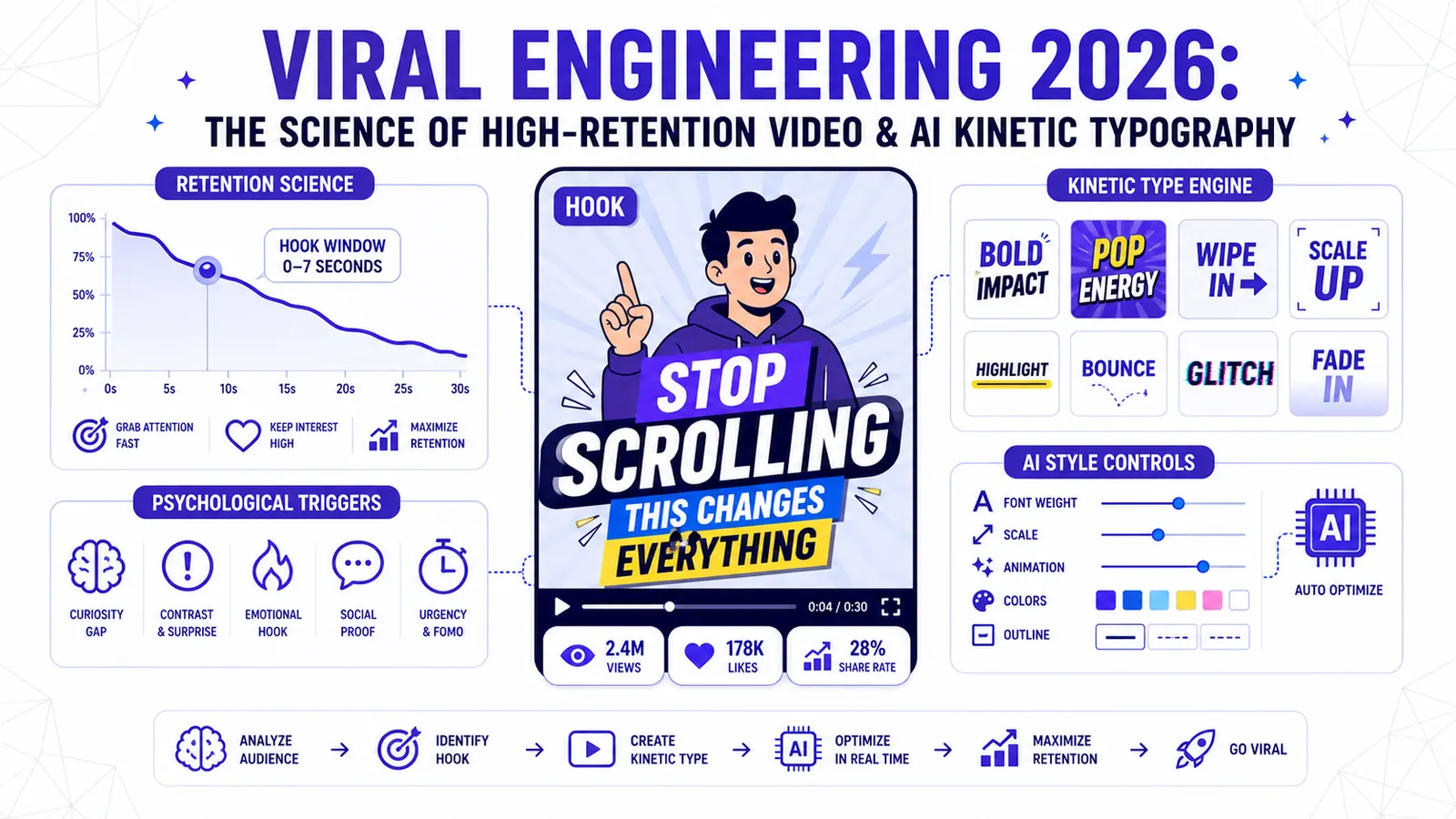
Holding someone's attention has never been harder. By 2026, the average person decides whether to keep watching or scroll past a video in about 1.8 seconds. You're not just competing with other creators; you're competing with the viewer's instinct to find the next quick hit of dopamine.
This is where "Viral Engineering" comes in. It's about moving past simple content creation and starting to understand how neurobiology, AI, and design work together to keep eyes on the screen.
The 3-Second Rule: Why attention is the only metric that matters
If you want a video to go viral, you have to understand the "scroll reflex." Our brains are wired to look for things that break the pattern of a boring feed.
Every time someone stops on a video and actually learns something or gets entertained, their brain releases a tiny bit of dopamine. The goal is to trigger that as early and as often as possible.
Think of retention as a simple balance: Retention = (Hook + Ease of Understanding) / Visual Boredom
If your hook is weak, they leave. If your message is too hard to follow, they leave. If the visuals never change, they leave.
Kinetic Typography: More than just "Hormozi" captions
A few years ago, "moving text" was a trend. In 2026, it's a basic requirement. Kinetic typography—text that reacts and highlights as you speak—is one of the most powerful ways to keep people watching.
Why it actually works
There’s a concept called Dual-Coding Theory. Basically, our brains process spoken words and visual images through different channels. When you give someone a spoken message and a matching visual (the captions), you're making it twice as easy for them to remember what you said.
This leads to:
- 40% better information retention.
- 30% lower skip rates on "talking head" videos.
In 2026, we've moved past simple white text. AI tools like CapzAi now analyze the tone of your voice to apply styles automatically. If you're excited, the text might pop and vibrate; if you're being serious, it might use a clean, elegant reveal.
The Psychology of Highlighting
Selective highlighting is another "cheat code" for retention. By changing the color or size of just one or two words, you’re creating a breadcrumb trail for the viewer's brain.
People scan videos for "meaning hubs." When words like "REVENUE" or "FREE" pop up in bright yellow, the brain treats them as anchors. Even if someone isn't fully listening, they're still absorbing your main point. CapzAi’s AI doesn't just highlight random words; it looks for the nouns and verbs that carry the most weight.
Fighting Visual Fatigue with AI B-Roll
The fastest way to kill your retention is to have a "static shot." A person talking to a camera for a full minute is boring, no matter how good the advice is. You need visual variety.
There’s a "6-second rule" in modern editing: if the screen doesn't change in some way every six seconds, people start to lose interest. This is where B-roll comes in.
In the past, finding stock footage was a chore. Now, AI can listen to what you're saying and suggest a clip instantly. If you mention "working late," it can drop in a 2-second shot of a desk lamp or someone typing. This "pattern interrupt" resets the viewer's attention clock.
Algorithm Feedback Loops
Retention isn't just for the user; it's for the algorithm. Platforms like TikTok and Instagram don't just look at views; they look at Average Watch Percentage.
When your video has high-quality, keyword-rich captions:
- The Crawler Indexes it: Your video gets categorized properly (e.g., "Business Growth").
- People Watch Longer: Thanks to the kinetic text and B-roll.
- The Algorithm gets a "Quality Signal": High retention tells the platform the video is valuable.
- The Viral Loop Starts: The algorithm pushes it to a much wider audience.
Case Study: The Retention Overhaul
We worked with a fitness creator who was stuck at 5k views despite having 100k followers. We changed three things:
- Added word-by-word kinetic captions.
- Highlighted "action" words (Burn, Lift, Jump).
- Dropped in AI-suggested B-roll every five seconds.
The result? Their average watch time tripled, and a single Reel gained them 12k new followers in two weeks because the algorithm finally started pushing it.
How to Engineer a Viral Video
- The Hook (0-2s): Use a fast transition or a bold headline. Make the first sentence "pop" with color.
- The Value (2-20s): Alternate between your face and B-roll. Use word-by-word reveals to keep the pace fast.
- The Payoff (20-50s): Use side-by-side comparisons or data overlays.
- The CTA (50-60s): Make direct eye contact and have a clear, static call to action stay on screen.
The Future of Creation
In 2026, the best creators are "Human-AI Hybrids." You provide the personality and the unique ideas, and the AI handles the optimization and technical "engineering."
The gap between a hit and a flop is often just a few percentage points of retention. Using these tools isn't cheating; it's just making sure your message actually gets heard.
Stop guessing what works. Start engineering your retention with CapzAi.
FAQ
Does kinetic typography work for long videos? Yes. While it's essential for short clips, adding dynamic captions to 10-minute YouTube videos can keep people from dropping off during the "slower" parts of your talk.
Can I overdo the captions? Definitely. If every single word is vibrating and changing color, it gets overwhelming. You want to balance movement with readability to hit that "engagement sweet spot."
How do I know which words to highlight? Focus on impact words—numbers, emotions, and nouns. If you aren't sure, CapzAi’s engine is trained on millions of viral videos to do it for you.
Quick answer
For retention engineering for viral video, the practical answer is this: design the first second, the first caption, and the first visual change as one unit, then use analytics to cut the next version tighter. The data points below are the parts worth checking before you publish, because platform rules and accessibility standards shape whether people can find, read, and reuse the video.
Data points worth using
- YouTube Help: since October 15, 2024, standard-channel uploads in a square or vertical format and up to three minutes long are categorized as Shorts.
- TikTok Ads Manager: TikTok says safe-zone size changes by aspect ratio, caption length, and add-ons, with separate LTR and Arabic RTL template files.
- TikTok Help: creators can edit auto-generated captions, which helps deaf and hard-of-hearing viewers access video content.
Related articles
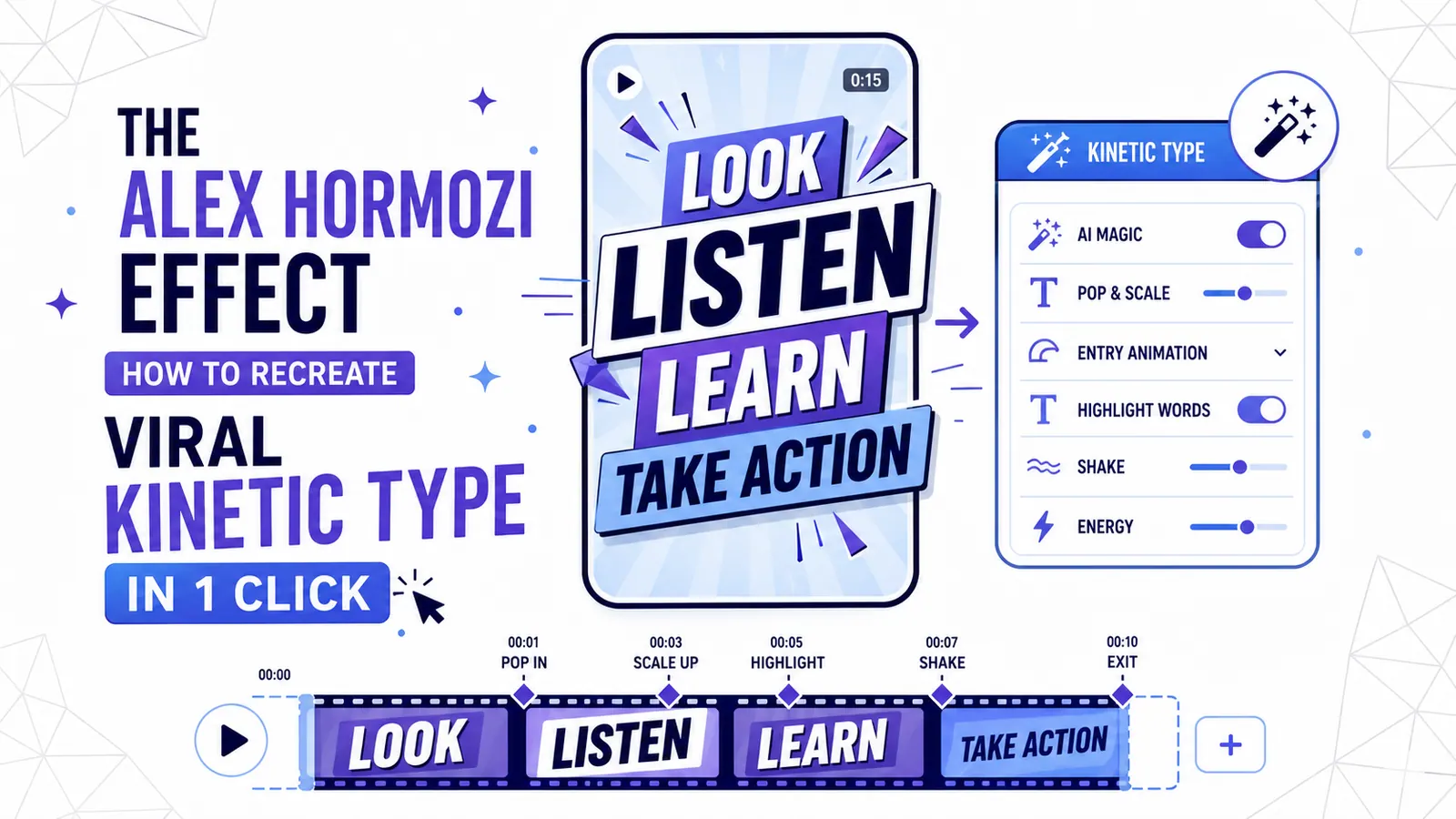
The Alex Hormozi Effect: How to Recreate Viral Kinetic Typography in 1 Click
The 'Hormozi Style' has become the gold standard for high-retention video. Discover the psychology behind kinetic typography and how to automate the look with AI.
Read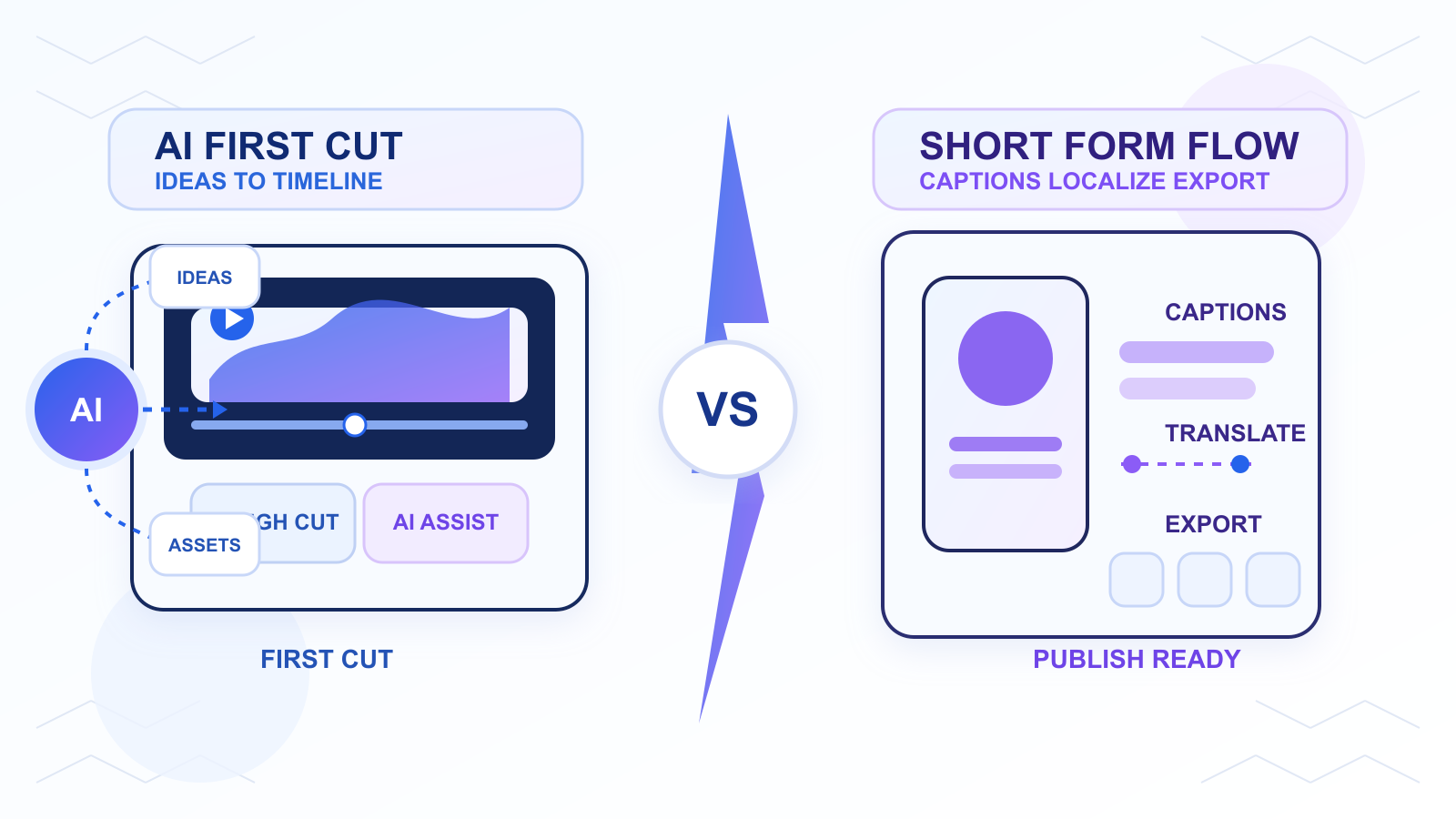
Adobe Firefly Video Editor vs CapzAi in 2026
Adobe is pushing agentic video creation and first-cut editing inside Firefly, but short-form teams still need a faster system for clipping, captions, localization, and export.
Read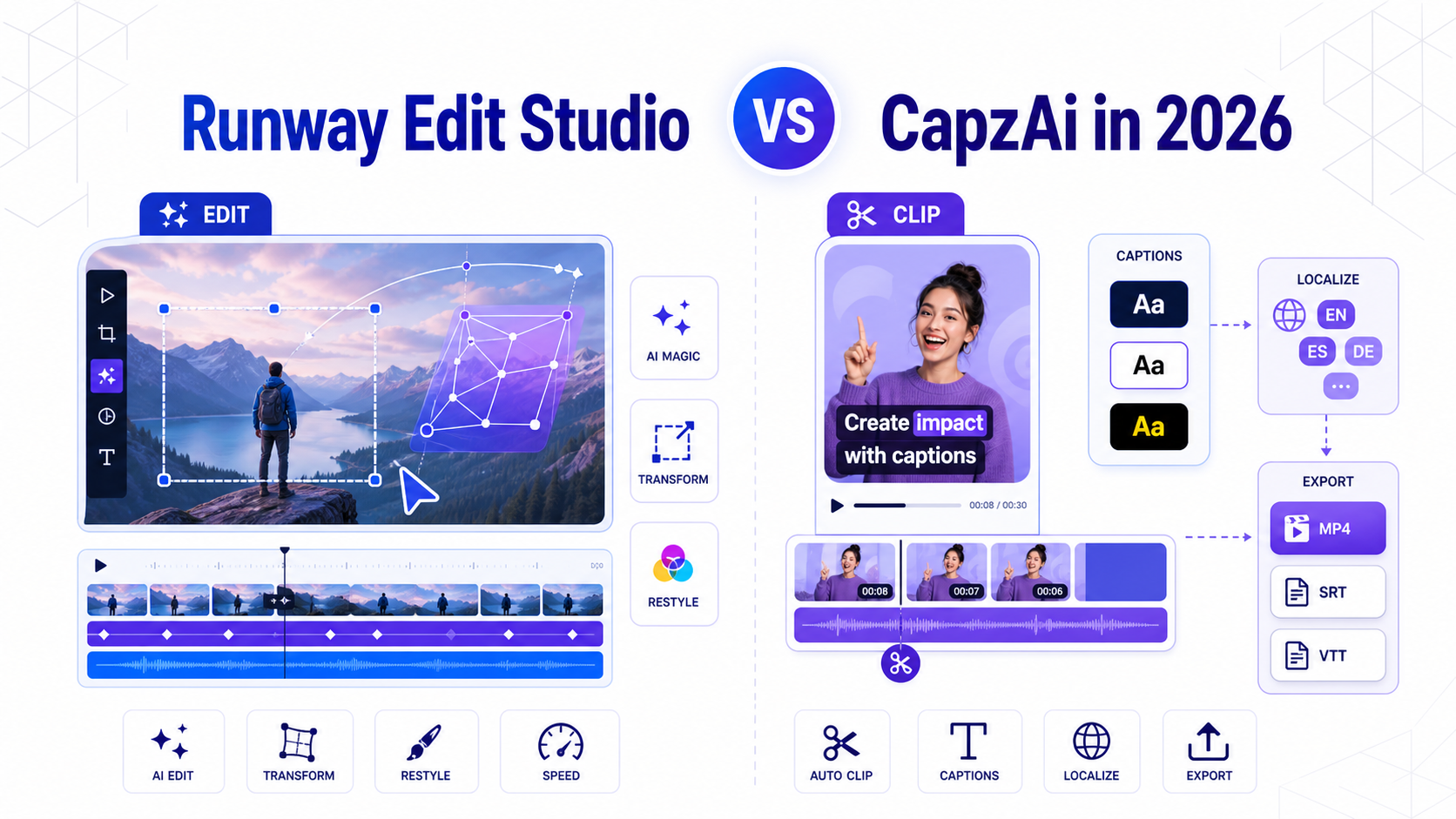
Runway Edit Studio vs CapzAi in 2026
How Runway's new Aleph 2.0 editing workflow compares with CapzAi for short-form clipping, captions, localization, and creator production speed.
Read