The 2026 Video Accessibility Guide: Why Captions are Legally & Strategically Mandatory
From the European Accessibility Act to the data on 'silent consumption,' here is why 2026 is the year uncaptioned video finally dies.
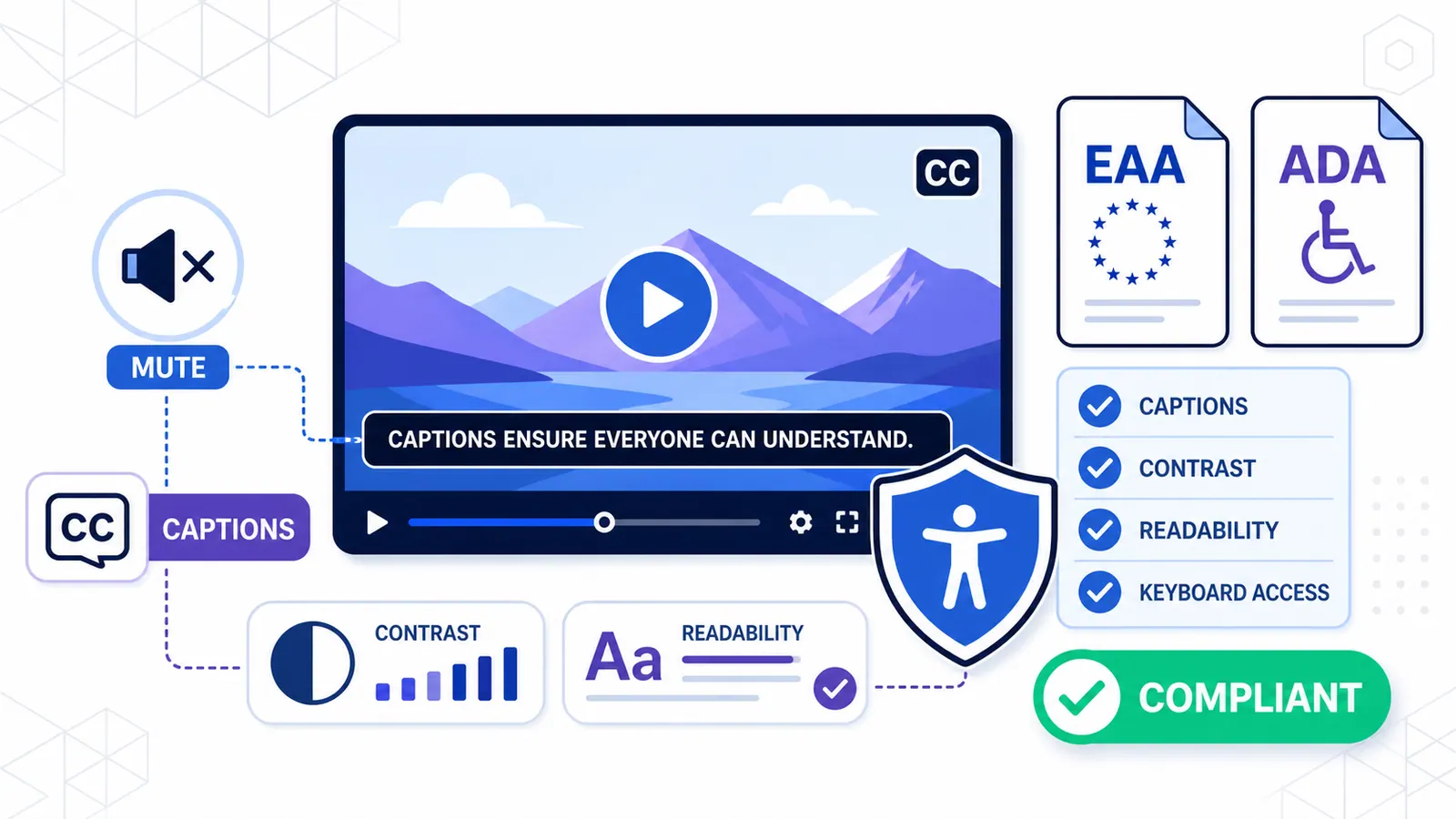
If you are a business owner or a creator in 2026, captions are no longer a "nice-to-have" or an "afterthought." They are a fundamental requirement for both legal compliance and commercial success.
Between new global accessibility laws and the changing habits of mobile users, 2026 marks the official end of the "uncaptioned video" era.
1. The Legal Landscape: EAA and Beyond
The biggest shift in 2025/2026 is the full enforcement of the European Accessibility Act (EAA). This law mandates that all digital products and services, including video content used for marketing and commerce, must be accessible to people with disabilities.
- Who is affected? Almost any business selling products or services in the EU.
- The Requirement: High-quality, synchronized captions for all video content.
- The Risk: Non-compliance can lead to heavy fines and, more importantly, the exclusion of a significant portion of your audience.
In the US, ADA Title II updates have also tightened the requirements for digital accessibility, making it clear that video without captions is a form of discrimination.
2. The Data: The Silent Consumption Trend
Beyond the law, there is the reality of how people watch videos:
- 85% of videos on social media are watched on mute.
- 80% of consumers are more likely to watch an entire video when captions are available.
- 37% of viewers say they are more likely to turn on the sound if the captions look interesting.
If you don't have captions, 85% of your audience is seeing a "silent movie" they don't understand. Captions aren't just for the hearing impaired; they are for the person on the bus, the office worker in a meeting, and the parent with a sleeping baby.
3. How to Stay Compliant & Competitive
The challenge for most teams is the sheer volume of content. How do you caption 50 videos a month without a massive budget?
The answer is AI-Driven Accessibility. Tools like CapzAi allow you to:
- Generate 99%+ accurate captions in seconds.
- Export SRT files for platform-native accessibility.
- Apply "Mute-First" design principles that make your videos engaging even without sound.
Final Thoughts
In 2026, accessibility is the new standard of quality. Brands that embrace it are seeing higher reach, better engagement, and zero legal risk. Brands that ignore it are becoming invisible.
Don't get left behind. Make your videos accessible today with CapzAi.
Quick answer
For video accessibility compliance, the practical answer is this: start with accurate captions, then add audio description, keyboard-friendly players, and a publishing checklist. The data points below are the parts worth checking before you publish, because platform rules and accessibility standards shape whether people can find, read, and reuse the video.
Data points worth using
- W3C WCAG 2.2: prerecorded synchronized media needs captions at Level A.
- W3C WCAG 2.2: prerecorded video needs audio description at Level AA when visual information matters.
- ADA.gov: state and local government web content and apps must meet WCAG 2.1 Level AA by April 26, 2027 or April 26, 2028, depending on population.
FAQ
How should I use video accessibility compliance in 2026?
Use a workflow that starts before export: start with accurate captions, then add audio description, keyboard-friendly players, and a publishing checklist. Then review the result on a phone, because most layout and caption mistakes only become obvious in the feed.
Why does this help SEO and GEO?
Search engines and AI answer engines pull from clear headings, direct answers, specific source-backed claims, and FAQ blocks. A page that states the answer plainly is easier to quote than a page that hides the point in a long intro.
What should I measure after publishing?
Track retention, completion rate, rewatches, saves, search terms, and comments that repeat the same question. Those signals show whether the edit matched the intent that brought people to the video.
Related articles
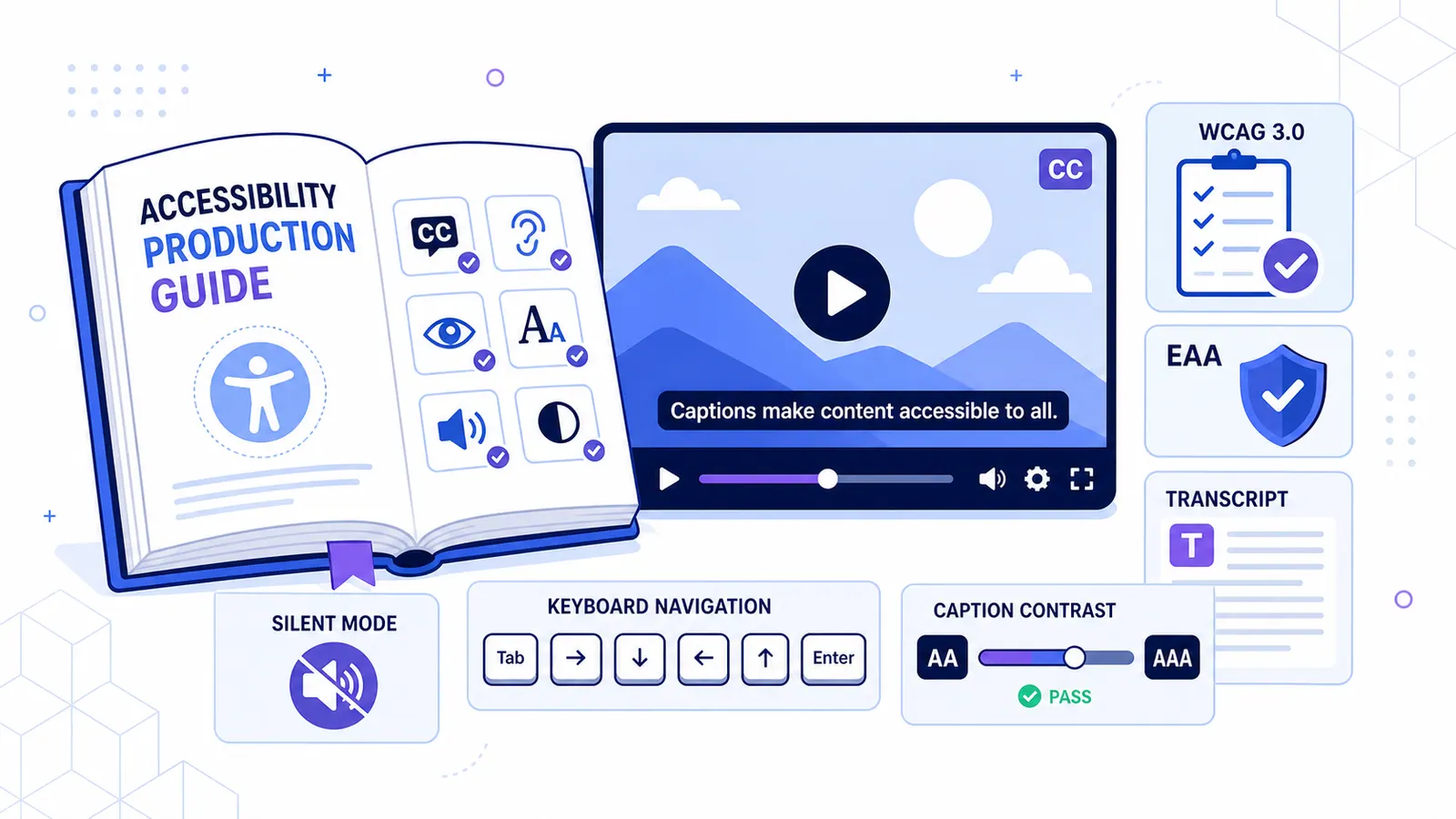
The 2026 Video Accessibility Guide: Navigating EAA, WCAG 3.0, and Silent Consumption
Accessibility isn't just a 'nice to have' anymore—it's a legal and strategic requirement. Here is how to handle the European Accessibility Act and WCAG 3.0 while keeping your audience engaged through captions.
Read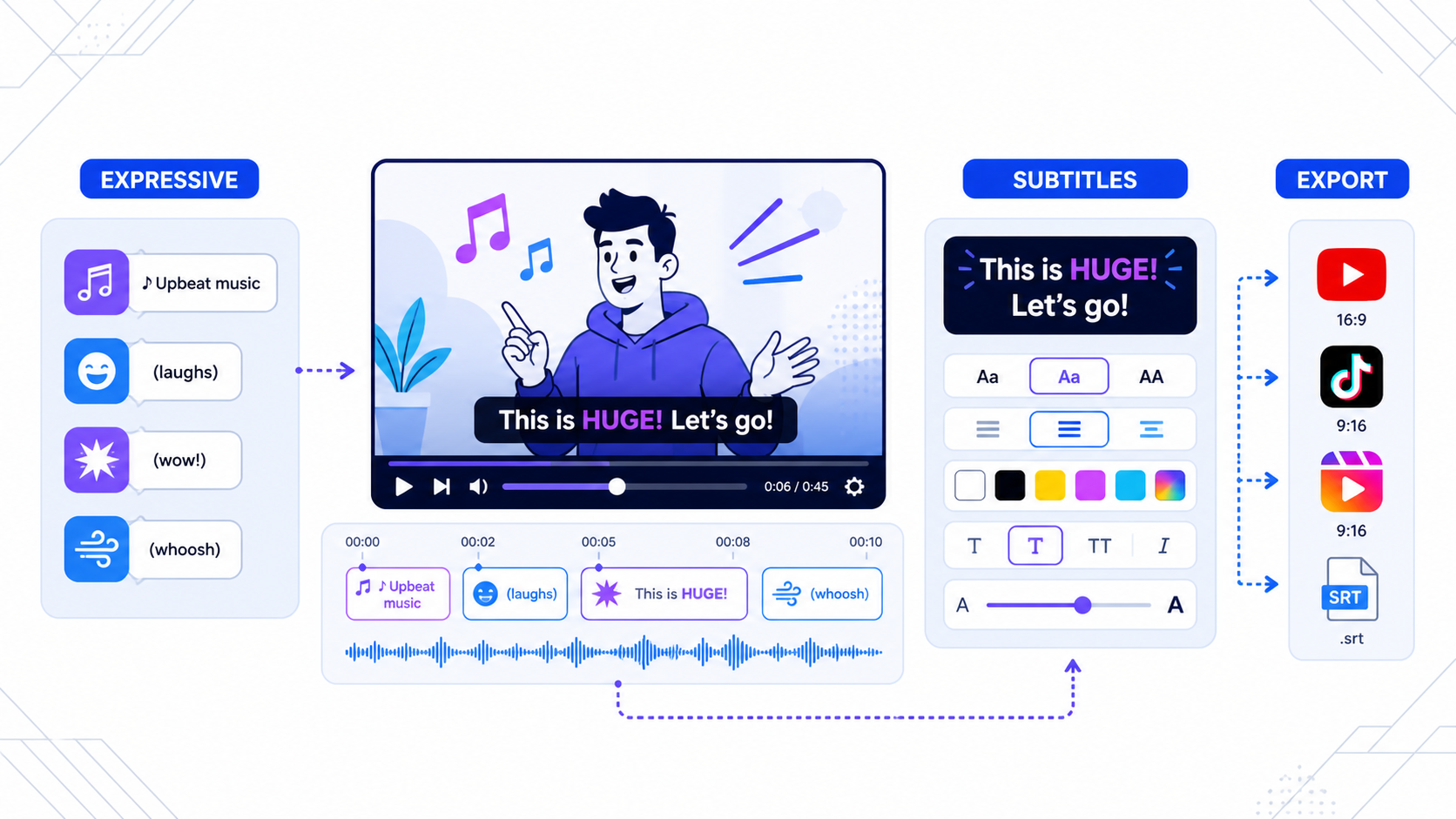
YouTube Expressive Captions vs Custom Subtitles: What Creators Should Use in 2026
YouTube's expressive captions improve accessibility, but they do not replace creator-controlled subtitle design for Shorts, Reels, and TikTok.
Read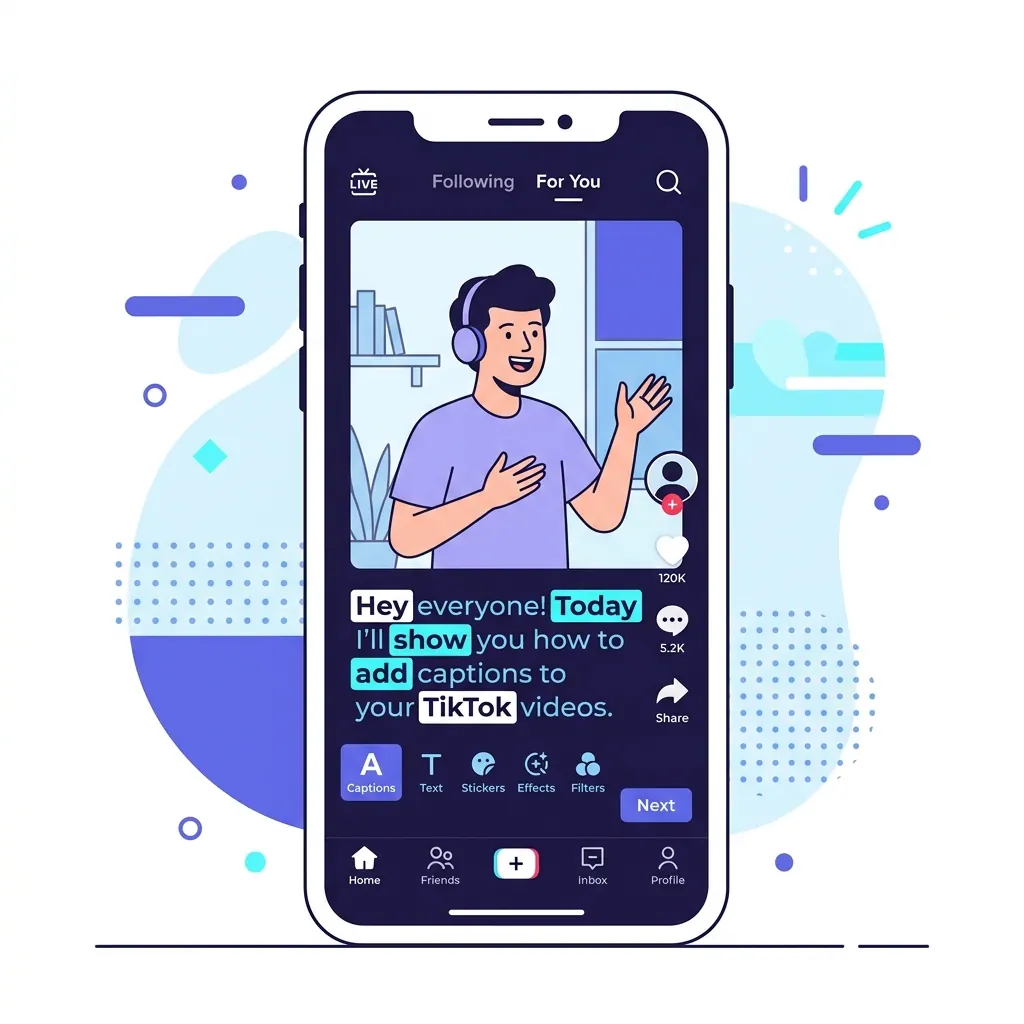
How to Add Captions on TikTok: A Complete 2026 Tutorial for More Views
Captions are no longer optional for viral success. This guide covers every way to add captions on TikTok, from native auto-captions to professional AI-powered tools like CapzAi.
Read