How to Repurpose Video Without Getting Flagged as Unoriginal in 2026
Meta's March 13, 2026 originality update changed the line between smart repurposing and low-value reposting. Here is how to reuse one source video safely.
Repurposing is not dead. Low-value reposting is what platforms are targeting.
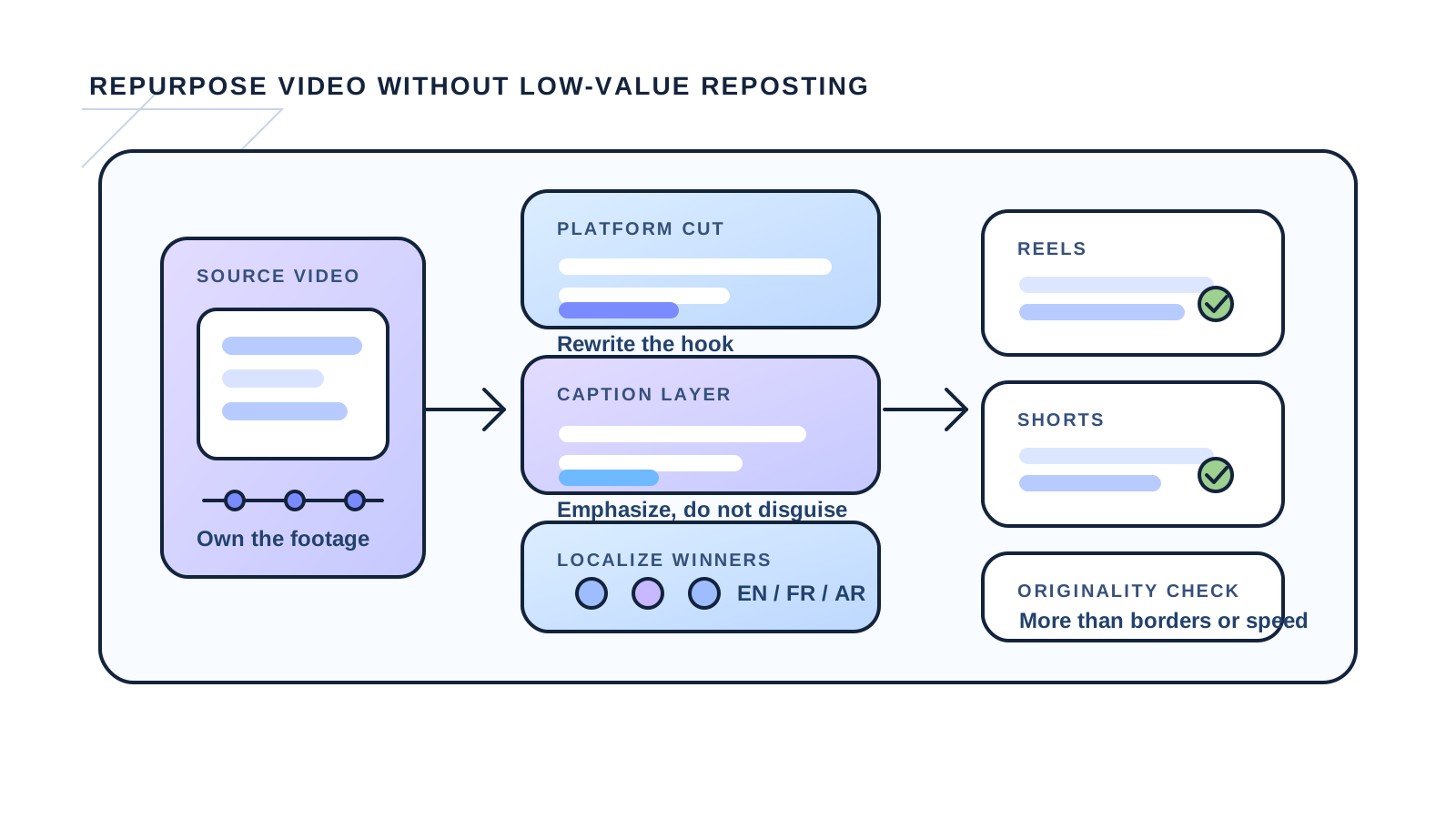
Meta made that distinction much clearer on March 13, 2026 in its official post, Rewarding Original Creators on Facebook. The update says Facebook is giving more reach and monetization to original content while reducing distribution for unoriginal content. It also says content that is duplicative or only lightly altered can be deprioritized, including posts that only add borders, captions, or speed changes.
That is the line creators need to understand in 2026.
If your business depends on turning one source video into Shorts, Reels, TikToks, and localized variants, you still can. You just need to repurpose like an editor, not like a copier.
The short answer
You can safely repurpose one source video across platforms if:
- you own or created the source footage
- each output adds meaningful editorial value
- the clip is shaped for the destination platform
- captions support the edit instead of pretending to be the edit
You are at risk when your workflow is basically:
- download a post
- crop it
- change speed slightly
- add captions or borders
- upload it again everywhere
Meta explicitly called that kind of behavior out.
What Meta changed on March 13, 2026
The Facebook update matters because it is more concrete than the vague "make original content" advice creators usually get.
Meta said:
- content filmed or produced directly by the creator is considered original
- remixes or overlays can still count as original when the creator adds genuinely new information, analysis, or substantial storyline improvements
- simply reacting, stitching clips together, or narrating what is already on screen without meaningful value is likely to be treated as unoriginal
- duplicative posts or minor edits can be deprioritized
This is not a ban on repurposing. It is a warning against low-effort transformation.
That distinction is useful for CapzAi users because the product's best workflows already assume you are starting from source footage you control and shaping it into new social outputs.
Why this matters more now
Platform incentives are moving in the same direction.
Meta said on January 28, 2026 in its 2026: AI Drives Performance update that 75% of Instagram recommendations were coming from original posts in the US during Q4 2025, and that nearly 10% of daily Reels views already came from content made in Edits.
YouTube's March 18, 2026 Reimagine launch also bakes attribution into AI remixing by linking the new Short back to the original.
Different platforms are implementing it differently, but the shared direction is obvious: original creation and visible attribution are becoming more important, not less.
What good repurposing looks like in 2026
Good repurposing starts with a source asset you own and then creates new value in the destination version.
That new value can come from:
- a different hook for a different audience
- a tighter edit that isolates one useful idea
- platform-specific pacing
- language localization
- clearer visual emphasis through captions
- a new narrative frame around the same raw footage
The asset can share DNA with the original without being a lazy duplicate.
What bad repurposing looks like
Bad repurposing is mostly cosmetic.
Examples:
- reposting the exact same clip with a different border
- burning in captions but not changing the editorial structure
- speeding the video up slightly and calling it new
- stitching another creator's clip with a reaction face and no real analysis
- uploading the same asset to several surfaces without adapting title cards, framing, or pacing
Meta's March 13 guidance is useful because it specifically names some of these low-value changes. That means creators can stop guessing.
Captions matter, but captions alone are not the value
This is one of the most important takeaways for short-form teams.
Captions are important because they improve:
- accessibility
- sound-off comprehension
- hook clarity
- visual rhythm
But captions do not magically convert a weak repost into original work.
If you are relying on subtitles as the only transformation, the platform can still read the output as essentially duplicative.
The better approach is to treat captions as one production layer inside a more meaningful edit.
That usually means:
- selecting a different moment from the source
- reshaping the opening line
- tightening the dead space
- emphasizing a different insight
- changing the narrative arc for the destination audience
Related reading: AI caption style guide and social SEO and AI captions.
A safe repurposing workflow for Reels, Shorts, and TikTok
If you want one repeatable workflow that stays on the right side of current platform direction, use this:
1. Start from owned source footage
Record the long-form interview, tutorial, talking-head video, demo, webinar, or UGC shoot yourself, or make sure your team has the rights to repurpose it.
This is the foundation. If you did not create it or license it properly, no amount of editing polish will solve the originality problem.
2. Clip by idea, not by timestamp
Do not publish random segments just because the speaker got louder or because the moment looks dramatic in isolation.
Choose clips that form a complete idea.
A clean repurposed clip usually has:
- a hook
- context
- payoff
This immediately creates more editorial value than a shallow repost.
3. Rewrite the opening for the destination platform
The same insight can be framed differently on each surface.
For example:
- Reels may reward stronger emotional framing
- Shorts often performs well with direct how-to phrasing
- TikTok may benefit from faster context and a more conversational angle
If you rewrite the opening line or title card for each platform, you are already doing more than low-value duplication.
4. Use captions as emphasis, not camouflage
Apply captions to clarify and strengthen the message, not to disguise the fact that the underlying clip is unchanged.
Good captioning decisions include:
- highlighting the key phrase
- keeping text inside safe zones
- adjusting line breaks for mobile readability
- using styles that match the creator voice
That improves the edit. It does not replace the need for the edit.
5. Make a real platform version when needed
Sometimes repurposing should produce separate versions, not one universal export.
That can mean:
- different aspect framing
- different caption placement
- shorter openings
- different calls to action
- language-specific subtitles
This matters because a true cross-platform workflow is not the same thing as identical syndication.
6. Localize the winners, not every clip
Localization is one of the safest ways to create meaningful derivative value from your own source material.
A translated or dubbed version for a new audience is not just a border swap. It changes who can understand and engage with the content.
That said, localize the clips that already proved they work. This keeps the workflow efficient and avoids multiplying average content.
Related guide: multilingual video localization playbook.
Why CapzAi fits this shift
CapzAi's strongest use case is not mass reposting. It is thoughtful repurposing from owned footage.
That matches the way platform rules are evolving.
A CapzAi-style workflow helps because it encourages you to:
- work from source footage you control
- pick the strongest clip candidates
- treat captions as part of the editorial finish
- export only the versions worth publishing
- translate or dub the winners for new markets
That is much closer to "substantial creative value" than to the kind of minor edits Meta warned about.
A simple test before you publish
Ask one question:
If someone removed the captions and border, would this still feel like a meaningfully edited version with a distinct purpose for this platform and audience?
If the answer is no, the repurposing is probably too shallow.
If the answer is yes, you are usually much closer to the safe side of the originality line.
Final verdict
As of March 13, 2026, Meta has made the policy direction much clearer: unoriginal reposting and minor edits are more likely to be deprioritized, while real creative contribution is more likely to be rewarded.
That does not kill repurposing. It raises the standard for it.
The winning workflow in 2026 is not to post the same asset everywhere with tiny cosmetic changes. It is to record once, clip by idea, adapt by platform, caption with intention, localize the winners, and publish versions that add real value for the audience seeing them.
That is the difference between duplicate distribution and smart content repurposing.
Related articles
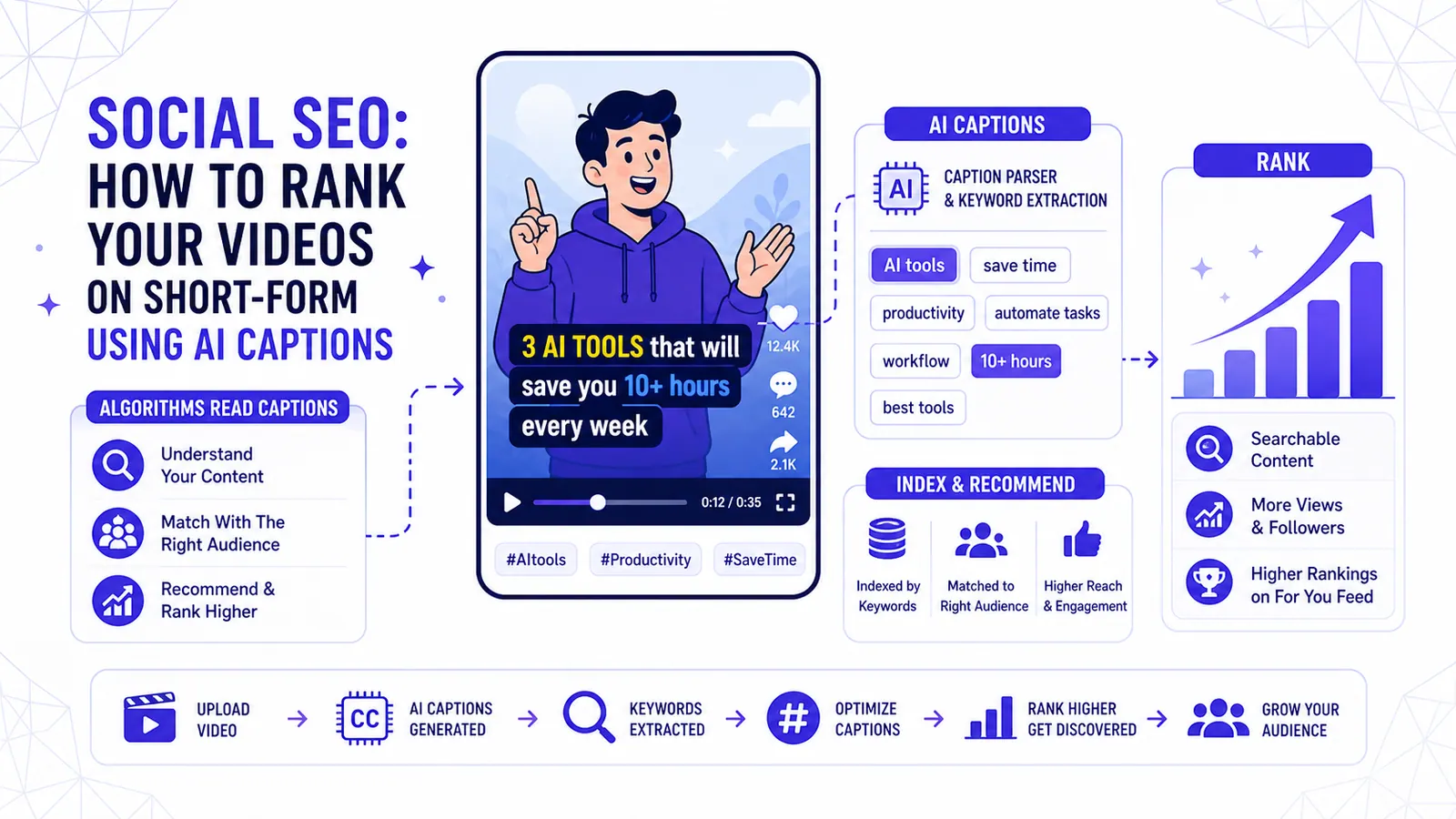
Social SEO: How to Rank Your Videos on TikTok & Reels using AI Captions
Algorithms are no longer just looking at hashtags. Learn how the 2026 TikTok and Instagram Reels algorithms use your captions to index and push your content to the right audience.
Read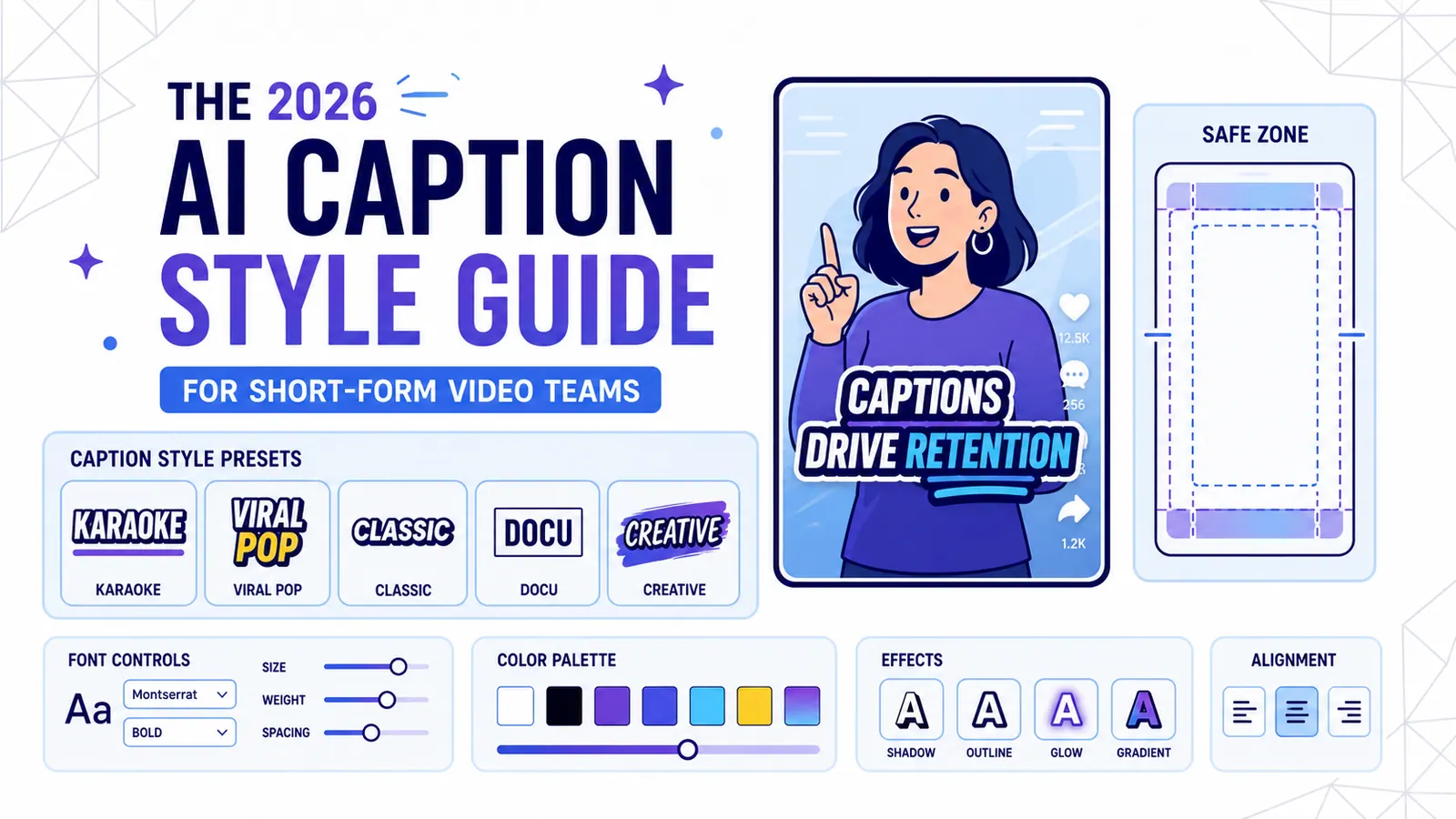
The 2026 AI Caption Style Guide for Short-Form Video Teams
A practical style system for creators and marketing teams who want captions that improve retention without turning every video into visual noise.
Read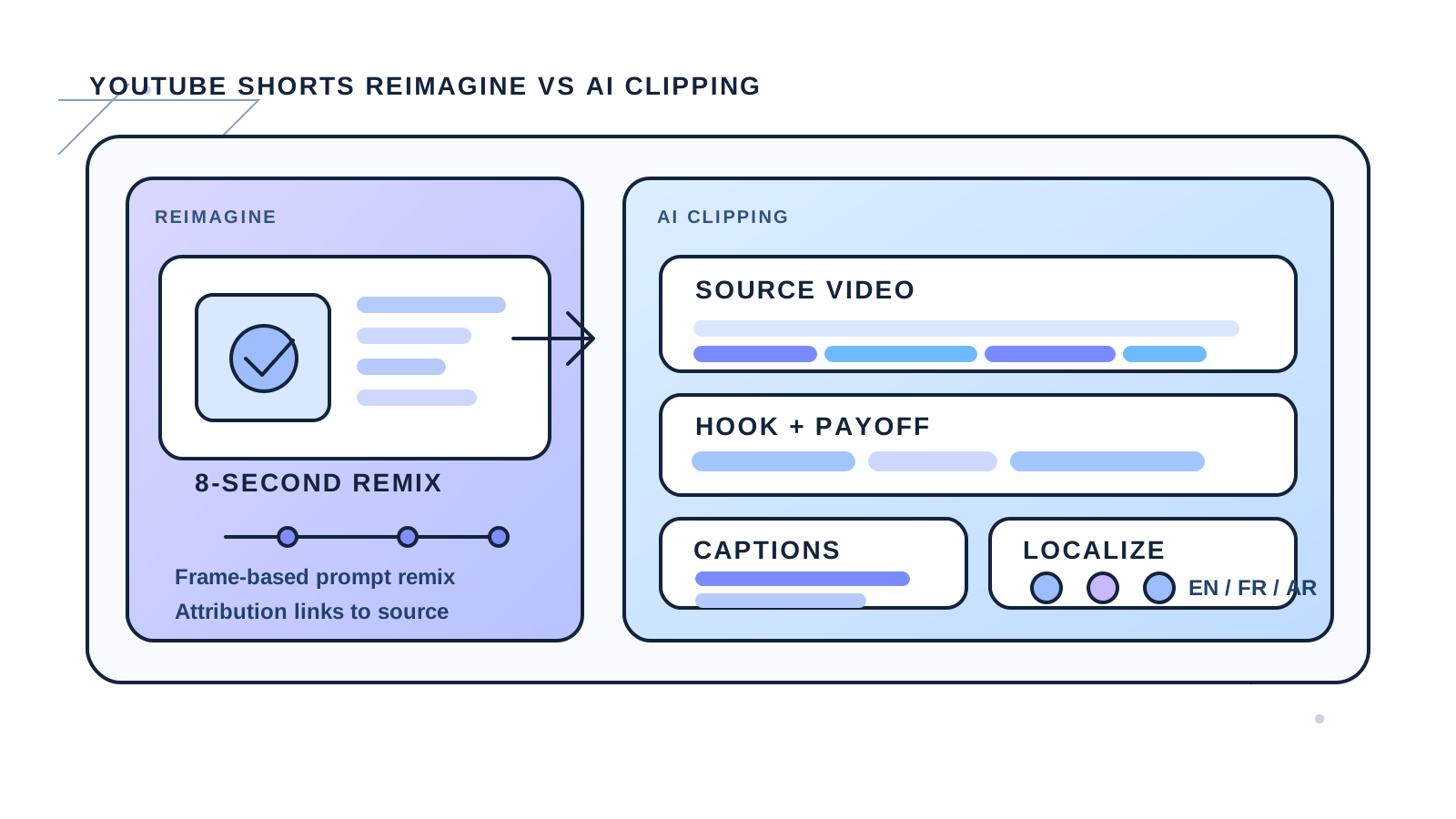
YouTube Shorts Reimagine vs AI Clipping in 2026
YouTube's new Reimagine remix tool opens a fresh creation path for Shorts, but it does not replace clipping, captions, or localization workflows.
Read