Going Global: Scaling Your UGC Content to 100+ Languages with AI
Don't limit your reach to one country. Learn how AI-powered translation and multilingual captions allow you to dominate international markets with a single video.
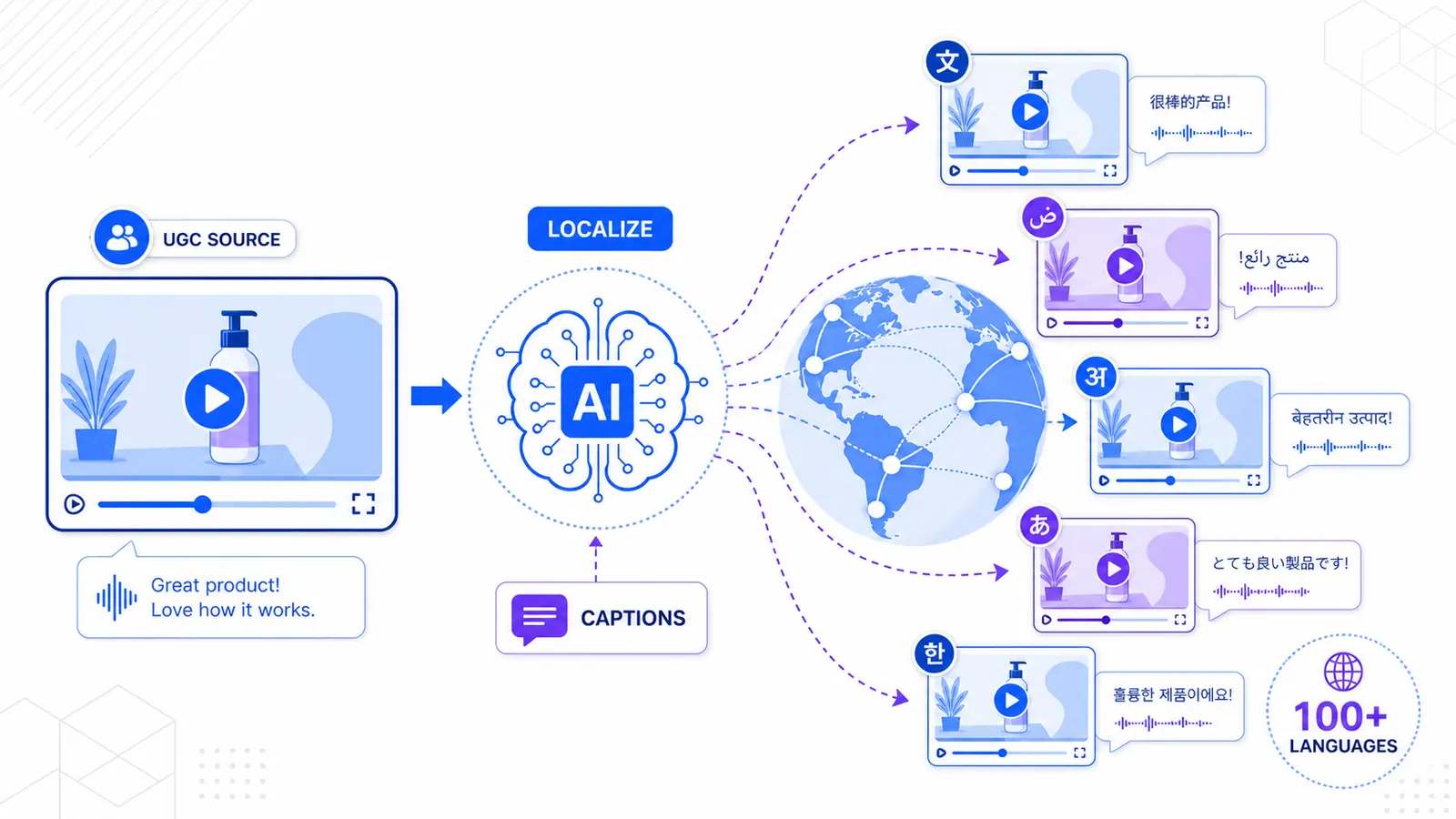
The biggest mistake creators and brands make in 2026 is thinking "English-first" means "English-only."
While English is the dominant language of the internet, the fastest-growing markets for UGC and e-commerce are in LATAM, MENA, and Southeast Asia. If you aren't localizing your content, you're leaving 70% of your potential revenue on the table.
The Problem with Manual Localization
Traditionally, going global meant:
- Hiring a translator.
- Hiring a voice-over artist.
- Manually re-editing subtitles for every language.
This process is slow, expensive, and impossible to scale if you're posting daily.
Enter: AI Multilingual Captioning
In 2026, AI tools like CapzAi have made localization as simple as clicking a button. Here’s how you can scale your content globally:
1. Accurate Auto-Translation
Modern AI doesn't just translate word-for-word; it understands context. Whether you're translating English to Arabic (Darija) or French to Spanish, CapzAi ensures the slang and tone remain authentic to the target audience.
2. Multi-Language Caption Templates
Different languages have different reading speeds and lengths. (For example, German text is often 30% longer than English). CapzAi automatically adjusts the font size and timing to ensure your captions are readable in every language.
3. Tapping into the MENA Market
The Middle East and North Africa (MENA) is one of the most underserved markets in video content. By using CapzAi’s specialized support for Arabic and Darija, you can reach millions of users who are hungry for localized UGC content.
A Simple 3-Step Global Strategy
- Film Once: Record your video in your native language.
- Translate & Style: Use CapzAi to generate captions in your top 3 target languages (e.g., Spanish, French, Arabic).
- Distribute: Post localized versions to specific regional accounts or use YouTube’s multi-audio/subtitle features.
Summary
The future of content is borderless. With AI-powered localization, a creator in New York can go viral in Casablanca, and a brand in London can sell to customers in Mexico City, all with the same video.
Stop speaking to one room. Start speaking to the world. Go global with CapzAi.
Quick answer
For global UGC translation, the practical answer is this: localize captions, examples, hooks, and CTAs instead of only translating words. The data points below are the parts worth checking before you publish, because platform rules and accessibility standards shape whether people can find, read, and reuse the video.
Data points worth using
- TikTok Newsroom: TikTok added caption and description translation tools to lower language barriers across global feeds.
- YouTube Help: Shorts now allow up to three minutes, which gives localized explainers more room than the old 60-second constraint.
- TikTok Help: creators can select a video language and edit captions before publishing.
FAQ
How should I use global UGC translation in 2026?
Use a workflow that starts before export: localize captions, examples, hooks, and CTAs instead of only translating words. Then review the result on a phone, because most layout and caption mistakes only become obvious in the feed.
Why does this help SEO and GEO?
Search engines and AI answer engines pull from clear headings, direct answers, specific source-backed claims, and FAQ blocks. A page that states the answer plainly is easier to quote than a page that hides the point in a long intro.
What should I measure after publishing?
Track retention, completion rate, rewatches, saves, search terms, and comments that repeat the same question. Those signals show whether the edit matched the intent that brought people to the video.
Related articles
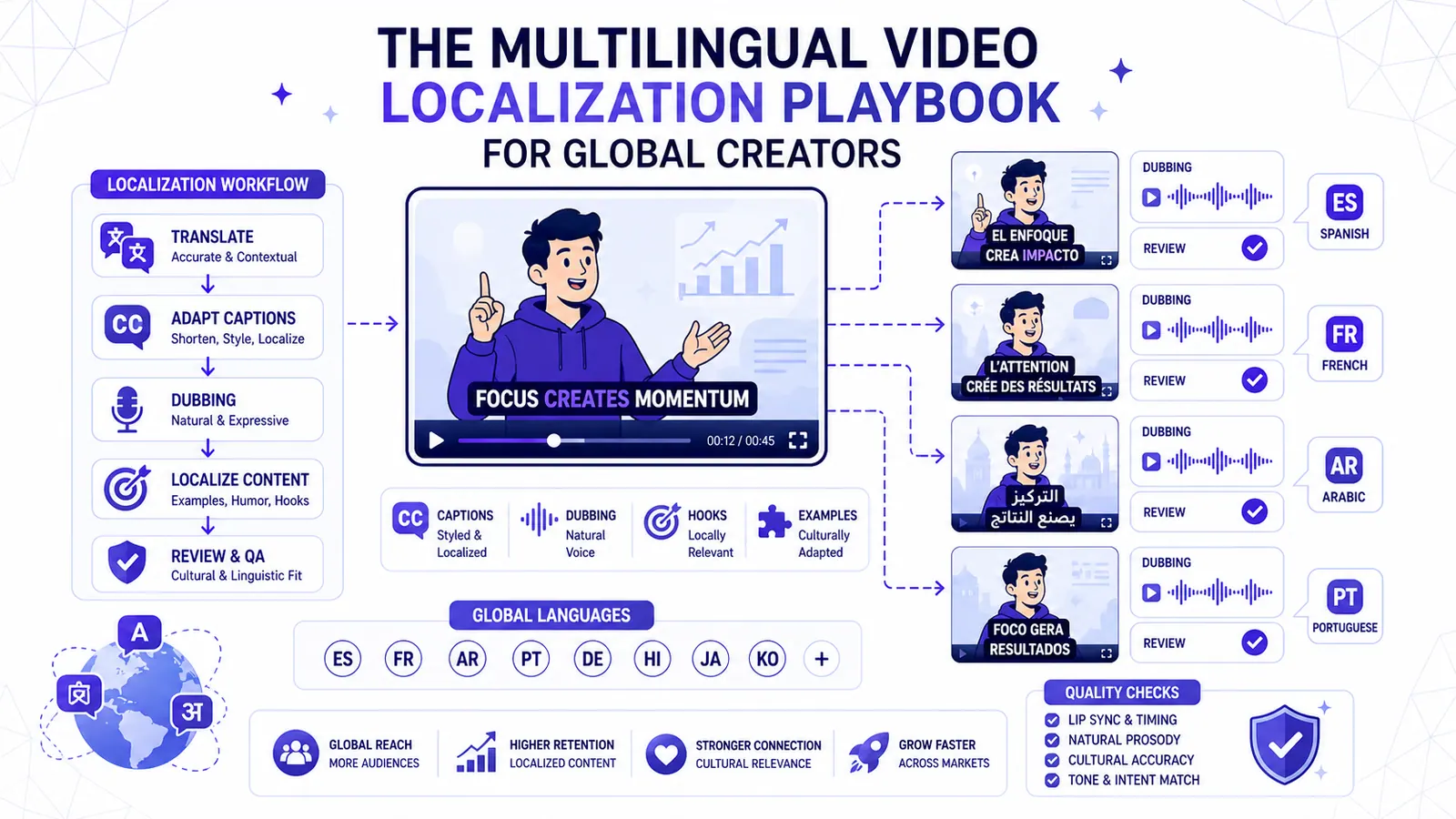
The Multilingual Video Localization Playbook for Global Creators
Translation alone is not localization. This playbook shows how to adapt captions, dubbing, hooks, examples, and review for international short-form content.
Read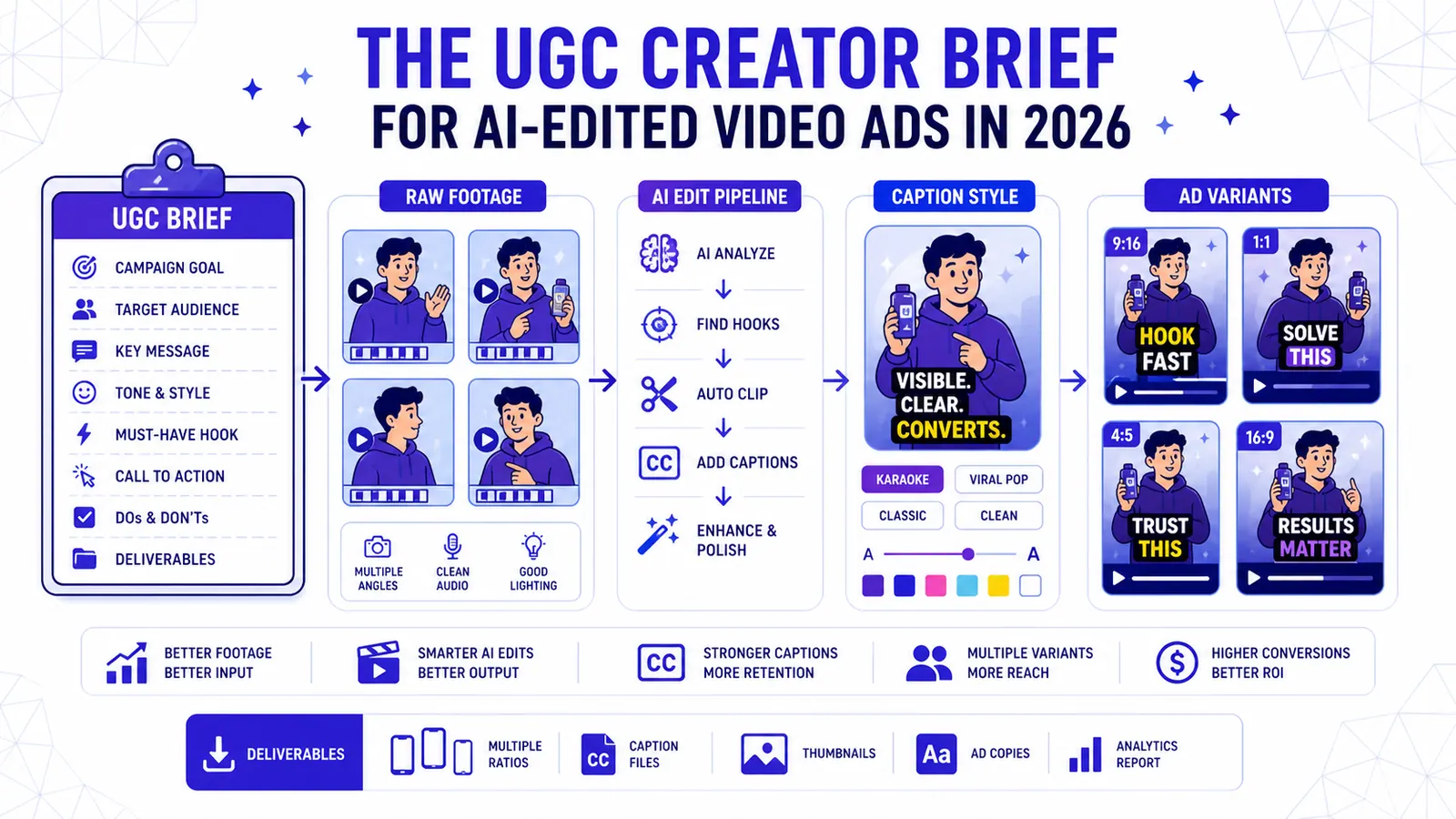
The UGC Creator Brief for AI-Edited Video Ads in 2026
A field-tested brief structure for getting better raw footage, cleaner edits, stronger captions, and ad variants that are easier to test.
Read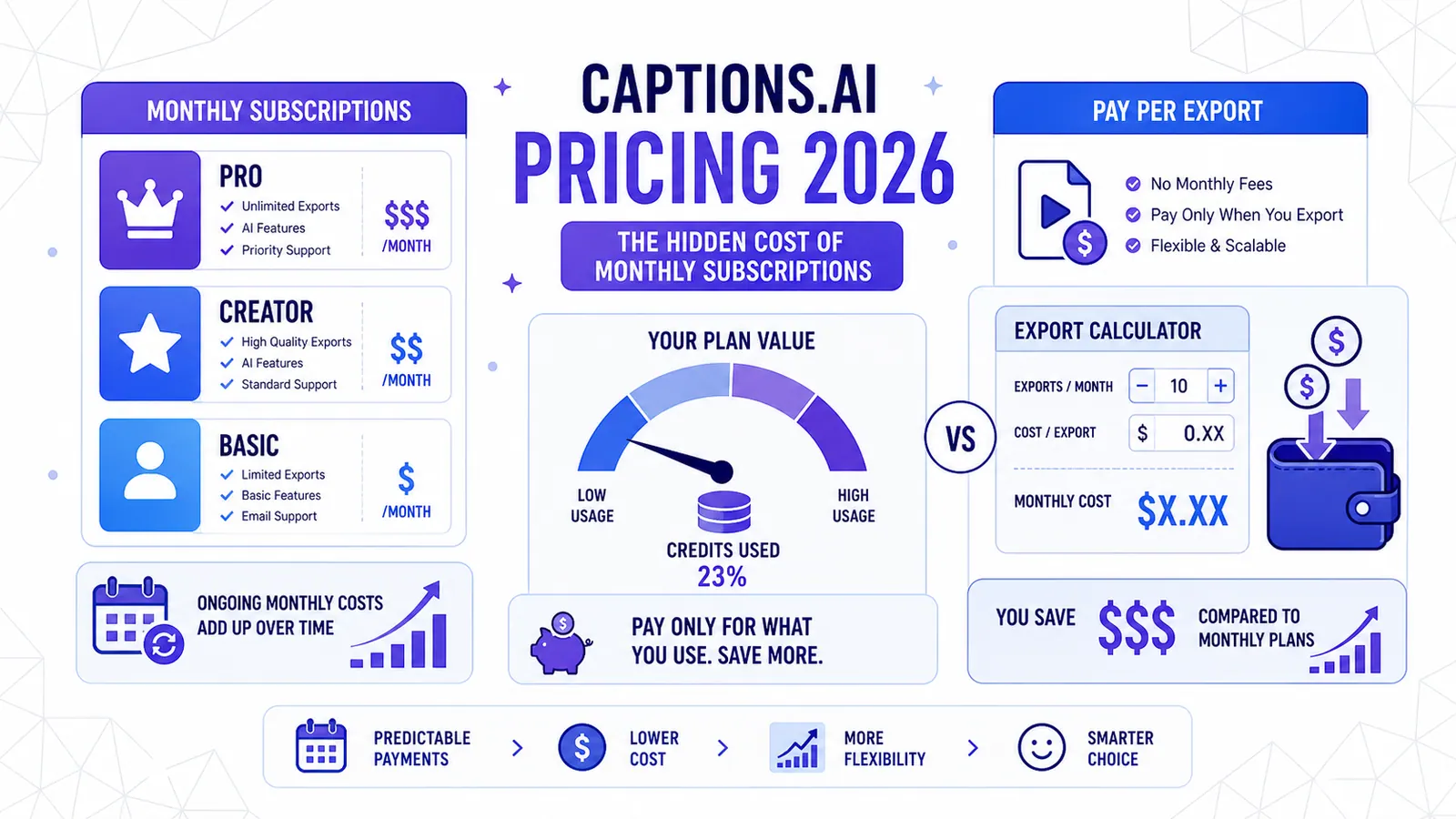
Captions.ai Pricing 2026: The Hidden Cost of Monthly Subscriptions
A deep dive into Captions.ai's 2026 pricing tiers and why the pay-on-export model of CapzAi might save you hundreds of dollars.
Read